




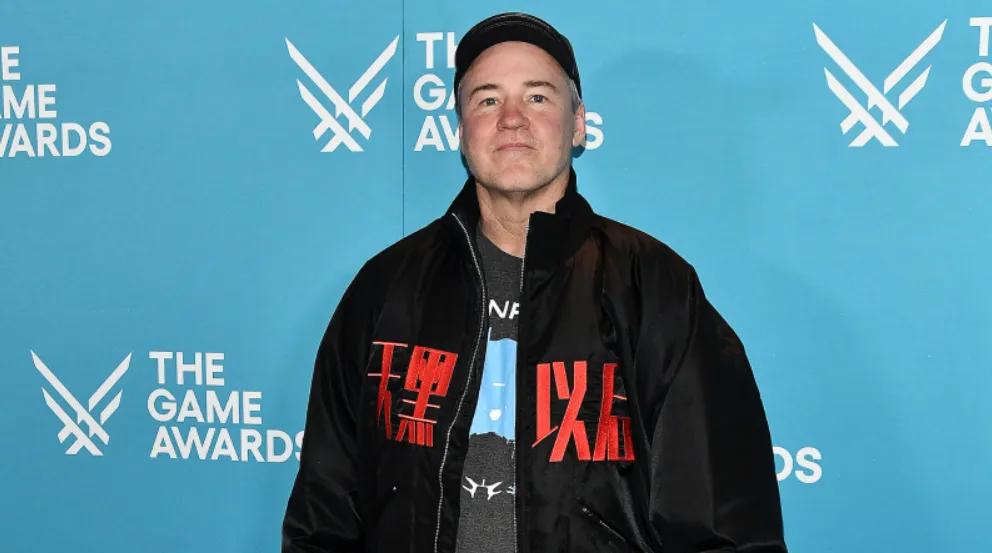
En hyllest til avdøde Vince Zampella og hans varige innvirkning på moderne spill










 Electronic Arts
 miscellanea
 Spill
SpillThe tribute to the late Vince Zampella began spreading across the games industry within hours of confirmation that one of its most influential figures had died. Zampella, co-founder of Infinity Ward and later the creative and executive force behind Respawn Entertainment, had spent nearly three decades shaping modern shooters and studio culture. His death left a visible shock across developers, publishers, and creators whose careers intersected with his work.
Vince Zampella was found dead after he crashed in a car accident on Angeles Crest Highway. The incident occurred in North Los Angeles, where Zampella was traveling as a passenger. Another person in the vehicle was also killed. The news surfaced late in the day and moved quickly through industry channels, prompting tributes from colleagues, competitors, and longtime collaborators who described both professional admiration and personal loss.
Zampella’s career began before his name became synonymous with blockbuster franchises. His first major credit was as lead designer on Medal of Honor: Allied Assault, a 2002 release that redefined expectations for historical first-person shooters on PC. The game’s cinematic pacing, scripted moments, and grounded combat became reference points for an entire genre. That work set the stage for what followed.
Later that year, Zampella co-founded Infinity Ward alongside Grant Collier and Jason West. The studio was small, inexperienced by industry standards, and ambitious. Their first Call of Duty launched in 2003 and immediately distinguished itself through tightly choreographed missions and an emphasis on squad-based warfare. The series would grow rapidly, but it was Call of Duty 4: Modern Warfare in 2007 that marked a turning point. By shifting the setting to contemporary conflict and introducing progression systems that rewarded long-term play, the game reshaped mainstream shooter design and commercial expectations.

Vince Zampella and Jason West in 2010, just after founding Respawn. (Image credit: Ann Johansson/Corbis via Getty Images)
Modern Warfare’s influence extended far beyond its sales. It altered multiplayer design across the industry, normalizing persistent unlocks, perk systems, and fast-paced competitive loops. Zampella’s role in guiding that shift placed him at the center of one of the medium’s most consequential transitions. For many developers, that period defined their understanding of what a large-scale shooter could be.
After a highly publicized split with Activision, Zampella and West left Infinity Ward in 2010. The departure was contentious and widely reported, but it did not slow their output. They founded Respawn Entertainment soon after, initially operating with a small team and significant creative independence. Respawn’s first release, Titanfall, arrived in 2014 and introduced fluid movement mechanics that blended wall-running, parkour, and vehicular combat. Though Titanfall never reached the commercial scale of Call of Duty, its design innovations earned lasting respect.
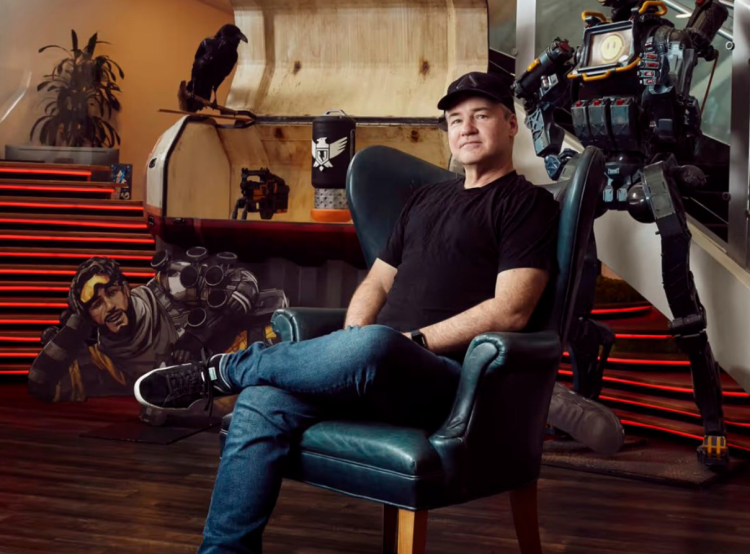
Respawn followed with Titanfall 2, which featured a single-player campaign often cited for its pacing and mechanical variety. The studio later released Apex Legends, a free-to-play battle royale that launched without prior marketing and quickly reached tens of millions of players. Apex demonstrated Zampella’s continued ability to anticipate shifts in player behavior and platform ecosystems.
Under his leadership, Respawn also developed Star Wars Jedi: Fallen Order and Star Wars Jedi: Survivor, narrative-driven action games that succeeded both critically and commercially. These projects expanded Respawn’s scope beyond shooters while maintaining a focus on mechanical clarity and player experience. Zampella later took on broader responsibilities at Electronic Arts, overseeing Ripple Effect and contributing to the direction of the Battlefield franchise.

As news of his death spread, tributes emphasized not only his creative output but also his conduct as a leader. John Romero, a foundational figure in first-person shooter history, wrote that Zampella’s mark on the genre was monumental and expressed shock at the loss.
Epic Games executive Donald Mustard described deep personal grief and highlighted recent conversations with Zampella.
“Absolutely heartbroken. Vince Zampella created and led so much incredible entertainment and innovation in games over his legendary life. My tears and condolences to his dear family, his friends, and his colleagues. So grateful I got to see him last week. So grateful for the hugs and stories we shared.” — Donald Mustard
Former Infinity Ward developer Jon Porter focused on workplace culture, describing a leader who avoided hierarchy and protected his team.
“Vince Zampella… what can I say. He was an amazing person who always treated people with respect. He may have been the owner, but he never carried himself that way. He treated everyone as equals, always took the time to listen, and was never too busy to talk. More than that, he protected his people and helped create a studio culture that set the standard for so many of us. Thank you, Vince. You were one of the good ones.” — Jon Porter
Respawn’s Jen Salvesen echoed that sentiment, linking Zampella’s leadership style directly to the studio’s identity.
“It goes without saying but the loss of Vince Zampella is massive. He was everything you'd want in a leader, and he made games that changed the landscape of gaming forever for the better. I'm grateful for the studio he built for all of us, the love of gaming I picked up through his work, and proud to have gotten to work for him.” — Jen Salvesen
Others stressed how consistently he made time for people, regardless of status. Create’s Tom Ham described decades of intermittent encounters that left a lasting impression.
“Whenever our paths crossed at shows around the world, he always stopped. He always made the time to say hello, share a hug, and genuinely ask how I was doing, no matter who either of us was with. Those moments mattered more than he probably realized.” — Tom Ham
Industry executives also spoke to Zampella’s role within large organizations, noting his ability to preserve creative focus inside corporate structures. Geoff Keighley described him as both a gamer and a rare executive who prioritized players and developers.
“Vince cared deeply about doing the right thing. And even while working inside large organizations, he consistently pushed to put players first: to prioritize the experience, the craft, and the people who played the games.” — Geoff Keighley
Tributes came from outside the Western development sphere as well. Bandai Namco’s Katsuhiro Harada recalled playing Zampella’s games during his own late-night development sessions, describing them as both compelling and motivating.
Hideo Kojima reflected on conversations held during moments of professional transition, describing Zampella as generous with time and advice.
“When I was preparing to go independent myself, and maybe because he felt we were in similar situations, he took the time to listen to me, offered advice, and supported me in many ways. He even showed me around the studio.” — Hideo Kojima
Gearbox CEO Randy Pitchford spoke at length about friendship, competition, and unfinished plans.
“The world lost a lot today and is suddenly less cool than it was yesterday. I'm devastated. I don't have the right words.” — Randy Pitchford
Thanks to PC Gamer for the quotes from their post.
Across these statements, a pattern emerged. Zampella was remembered less for authority than for restraint. He was described as someone who fought when necessary but avoided spectacle, who listened more than he spoke, and who judged success by the strength of the teams he built. That reputation appeared consistent across studios, publishers, and national borders.
Zampella was 55. He is survived by his wife and three children. His body of work continues to shape design decisions, player expectations, and studio practices across the industry. The tribute to the late Vince Zampella now stands not only as a record of personal loss but as an accounting of influence that reached far beyond any single franchise or company.


 Vellykket kopiert... Takk for at du deler innholdet vårt!:



5% innskuddsbonus opp til 100 perler

0 % gebyrer på innskudd og uttak.





11 % innskuddsbonus + FreeSpin


10 % EKSTRA INNSKUDDSBONUS + 2 GRATISSPINN PÅ HJUL

Gratis case og 100 % velkomstbonus


5 gratis saker, daglig gratis og bonus

3 gratiskasser og en bonus på 5 % på alle kontantinnskudd.

+5 % til innskudd




Kommentarer