




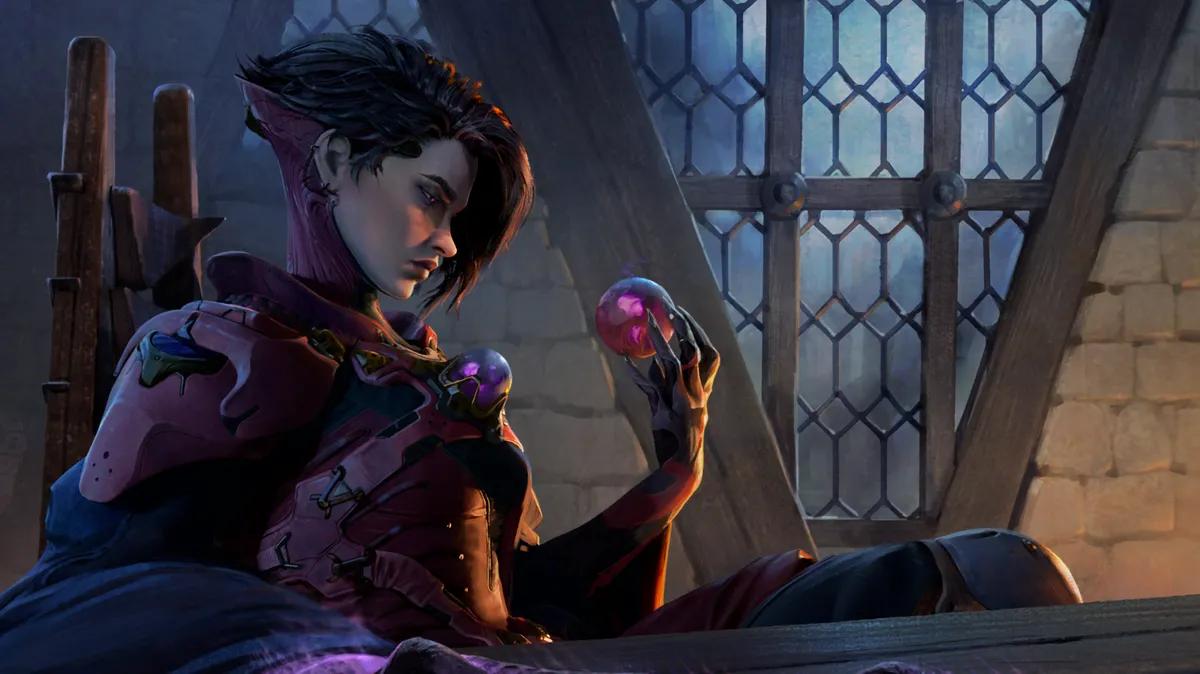
Hvordan hybris og manglende offentlig betatesting dømte Wildlight Entertainments Highguard










Highguard peaked at around 100,000 concurrent Steam players on launch day. Within weeks, that number had dropped to 469. Two weeks after launch, the majority of Wildlight Entertainment's development team was laid off. A Bloomberg report by Jason Schreier, drawing on accounts from former Wildlight employees, identified the cause: hubris from senior management and a near-total absence of adequate playtesting.
The toxic discourse and layoffs that followed exposed how badly the launch had gone. The studio had presented itself as operating outside the corporate structures that constrain most AAA developers. That framing collapsed when former employees confirmed that Chinese gaming conglomerate Tencent had secretly funded the majority of the game. Once Highguard underperformed, Tencent pulled its funding, directly triggering the layoffs. Highguard has become the worst game of 2026 on Metacritic, a distinction that has amplified the backlash far beyond what the game's actual problems might otherwise have generated.
Former Wildlight developer Josh Sobel posted an account on X — since deleted — describing the internal culture leading up to launch. Sobel cited positive responses from internal tests and press preview events. One person told the team that Highguard was "lightning in a bottle." Another reportedly said, "If there's one project nobody in the industry is worried will fail, it's yours." The studio shadow-dropped the game rather than running a public beta. Highguard developers didn't expect the game to have so much hate, and the speed at which the community turned on the title appeared to catch the remaining team off guard.
That reaction drew responses from outside the studio. Developers from Larian, Remedy, and 1047 Games defend Highguard, pushing back against what several described as a disproportionate pile-on directed at a game with genuine ambition behind it. The defense has done little to shift the broader narrative, but it has kept conversation around the title alive.
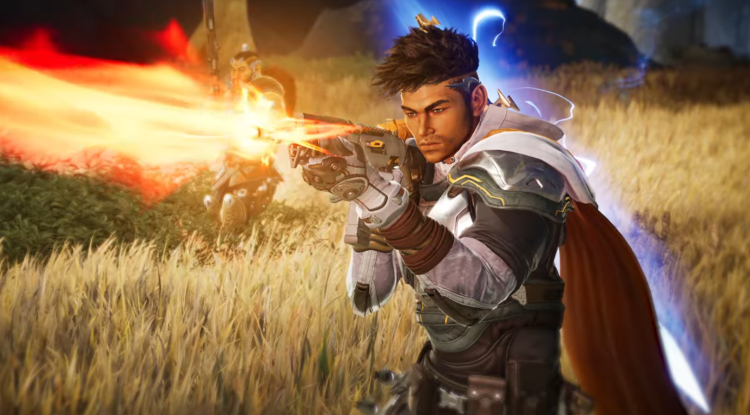
The problems that surfaced after launch were specific. Maps were too large. The opening minutes of each match contained no combat. A Vesper-mining feature, a leftover from when Highguard was a survival shooter, confused players and served no clear purpose. The Warden roster lacked variety at launch, with stronger designs held back for future seasons. Wildlight has since moved to address feedback directly — the 5v5 Mode that players responded to was made permanent within hours of that feedback surfacing, and the team has continued pushing updates, including a single-player mod and the addition of a new hero (Ekon), expanding the roster beyond its launch state.
I think the decision to shadow-drop a new live-service hero shooter without a public beta, in a market where even Marvel Rivals — backed by a globally recognized IP — ran a closed beta before launch, reflects a genuine miscalculation about what the current competitive landscape demands. Wildlight had serious talent: veterans from Respawn, contributors to Titanfall and Apex Legends, and developers behind Call of Duty's "No Russian" mission. That pedigree shaped the studio's confidence and may have narrowed its appetite for outside feedback at a critical stage.
What the industry should take from Highguard is not simply that live-service games are risky. The more precise lesson is that internal confidence, however well-founded, does not substitute for the data that only mass public playtesting can provide.


 Vellykket kopiert... Takk for at du deler innholdet vårt!:



5% innskuddsbonus opp til 100 perler

0 % gebyrer på innskudd og uttak.





11 % innskuddsbonus + FreeSpin


10 % EKSTRA INNSKUDDSBONUS + 2 GRATISSPINN PÅ HJUL

Gratis case og 100 % velkomstbonus


5 gratis saker, daglig gratis og bonus

3 gratiskasser og en bonus på 5 % på alle kontantinnskudd.

+5 % til innskudd




Kommentarer