




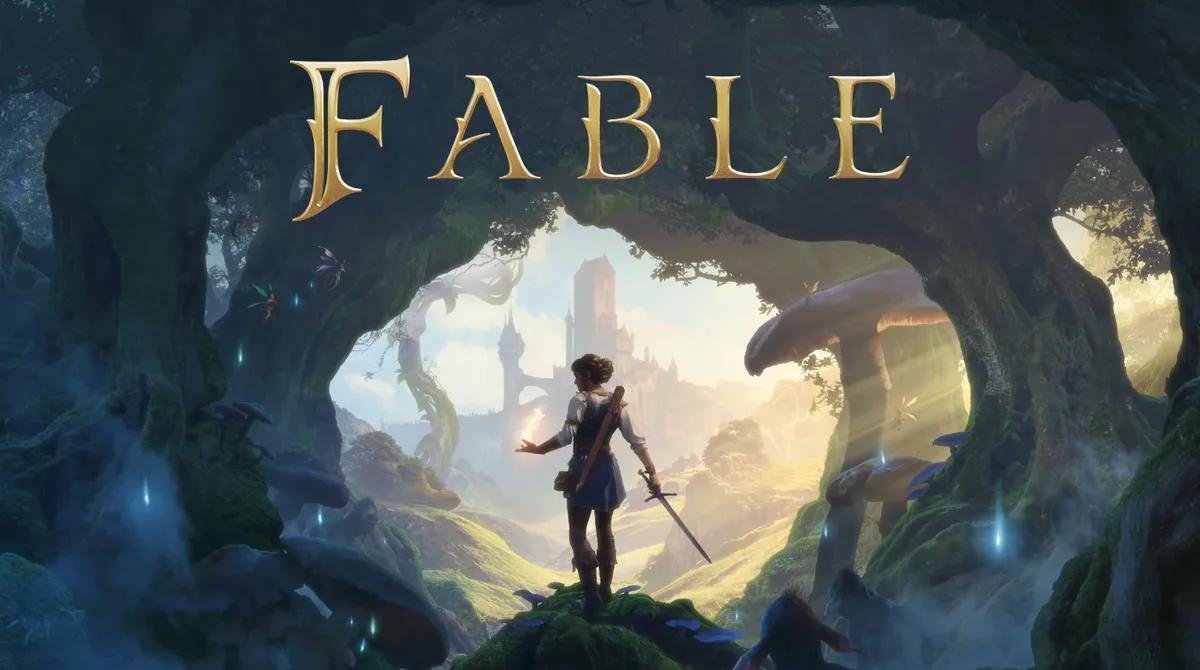
Fable-nyinnspilling: Alt du trenger å vite










 Xbox
Xbox Steam
SteamPlayground Games is currently developing a complete reboot of the Fable franchise, scheduled to launch in Autumn 2026 for Xbox Series X/S, personal computers, and PlayStation 5. The upcoming third-person fantasy action role-playing game returns players to the fictional land of Albion with completely modernized gameplay mechanics and updated visual technology. This comprehensive report outlines the development history, combat overhauls, morality system revisions, and environmental settings based on official project disclosures.
Fable Release Date & Delay
The upcoming fantasy action role-playing game lacks a fixed calendar release date, but Microsoft and developer Playground Games established a launch window of Autumn 2026. This window was disclosed during the Xbox Developer Direct showcase event at the beginning of 2026. Industry analysis indicates that an Autumn launch targets August, September, or October, allowing the project to arrive ahead of holiday software releases. Specifically, the launch of Grand Theft Auto 6 is locked into a confirmed release date of November 19, 2026, influencing the seasonal release strategies of competing publishers across the industry.
The timeline has been extended significantly since public confirmation. Microsoft first announced the Fable reboot in 2020, resulting in a multi-year production cycle before establishing the 2026 delivery window. During the spring of 2026, industry rumors suggested Microsoft had internally instituted a delay for the project, potentially pushing its arrival into the following calendar year. The official social media accounts dedicated to Fable intervened to address these reports, explicitly denying internal schedule modifications and reconfirming that the project remained on track for its designated fall launch window.

Independent reporting from industry journalists previously highlighted internal discussions within Microsoft regarding the competitive landscape of late 2026. Journalists noted that executive teams expressed concern regarding the potential risk of launching a major fantasy role-playing game in close proximity to Grand Theft Auto 6.
Reports indicated that if the timeline slipped past its initial Autumn target, any adjustments could force the game into December or trigger a formal delay into early 2027 to ensure an independent marketing window. However, updated project details on May 13, 2026, solidified the official stance that the game is on track for Autumn 2026.
The game will launch simultaneously across Xbox Series X/S hardware, Xbox Game Pass, personal computers, and Sony's PlayStation 5 console. This strategy reflects recent shifts in corporate distribution models, ensuring that players across competing home console architectures can access the game on the exact same day during the Autumn 2026 launch window without experiencing any artificial platform delay.
Open-World RPG Classic

The Fable franchise historically occupied a unique position within the role-playing genre due to its structural framework and regional thematic identity. As an open-world third-person action role-playing game, the reboot maintains the core narrative architecture defining the original entries. The gameplay loop begins with the player controlling a young child situated within a modest environment. Following a sudden family tragedy, the protagonist is left isolated, forcing them to embark on a solo journey to master historical combat disciplines and transform into a legendary figure whose actions directly alter the destiny of Albion.
A foundational element of this formula is the incorporation of distinct British humor and a less-than-serious narrative tone. Dialogue and social interactions avoid the dark, ultra-serious tropes common in contemporary high-fantasy media, opting instead for satire, practical jokes, and eccentric behaviors. Non-player characters communicate using thick English regional accents, employing classic British slang and sharp colloquial insults during interactions. This atmospheric design is intended to preserve the irreverent spirit that characterized the original trilogy developed under Lionhead Studios.
Official promotional materials and gameplay teasers have highlighted this distinct tonal approach. Initial promotional trailers established the fantasy environment while utilizing theatrical voiceover narrations reminiscent of classical theater productions to subvert traditional heroic tropes. Subsequent promotional videos introduced specialized characters designed to showcase the game's satirical edge. For example, a major trailer revealed the inclusion of a character named Dave, portrayed by comedic actor Richard Ayoade. Dave is depicted as an eccentric, wooden-glasses-wearing giant who describes himself as a simple vegetable enthusiast, yet he ultimately functions as an active, large-scale boss battle encountered within the open world.
Another promotional asset utilized a mockumentary-style narrative framing to explore heroism within Albion. This footage featured a retired swashbuckler character named Humphrey the Golden, who serves as a reclusive figure within the game's lore. Humphrey provides his personal memoirs, candid advice, and historical perspectives to aspiring adventurers seeking to join the modern generation of heroes. These components emphasize that the underlying thematic foundation relies on the established identity of a classic, humor-driven open-world British role-playing game.
Fable Development

The development of the Fable reboot represents a structural shift for Playground Games. Based in Leamington Spa, United Kingdom, Playground Games achieved recognition as the studio behind the Forza Horizon franchise, an open-world racing series celebrated for its massive environments and advanced driving physics. The decision to transition from racing simulation to a complex fantasy role-playing game was initiated long before public announcement. Studio leadership disclosed that internal interest in exploring a separate genre emerged ten years prior to 2026, immediately following the completion of Forza Horizon 3.
To execute this genre diversification, Playground Games expanded, establishing two new internal development teams within their Leamington Spa facilities. This allowed the studio to recruit specialized talent from across the industry, attracting numerous developers who joined the organization due to their passion as fans of the original Fable games. Recognizing the technical requirements of a deep role-playing game, Microsoft integrated veteran external support into the production cycle. Highly experienced developers from the Deus Ex studio were brought into the project to collaborate directly with Playground Games, providing expertise in crafting complex quest structures, branching narrative mechanics, and immersive world systems.
The production pipeline has proceeded through multiple milestones since its inception. Following the initial teaser in 2020, the studio focused on engine optimization and asset creation. The project resurfaced with major trailers during the annual Xbox Games Showcases in 2023 and 2024. These presentations generated discussion within the industry, leading to public comments from narrative directors who expressed amusement regarding the community's disbelief that the showcased visuals represented real-time gameplay sequences rather than pre-rendered CGI.
The production team experienced internal adjustments over time, including the disclosed departure of its primary narrative lead, yet the core development trajectory remained consistent. The extensive gameplay deep dive presented at the Xbox Developer Direct showcase at the start of 2026 marked the transition into the final stages of production, leading toward upcoming technical showcases scheduled for the Summer Game Fest and the dedicated Xbox Games Showcase in June 2026.
Original Game vs Remake

To understand the modifications introduced in the upcoming reboot, it is necessary to examine the original Fable game released in 2004. Overseen by designer Peter Molyneux, that title operated as a straightforward action-adventure game. Core combat relied on a basic target-locking system activated by holding the left shoulder button, utilizing an elementary three-tier framework defined as Strength, Skill, and Will. Strength focused on melee combat via swords and axes, triggered by repeating button inputs to execute basic combinations. Skill-governed archery, where holding the attack button amplified arrow damage while generating tactile controller vibration feedback. Will represented the magical spell-casting system, providing an initial lightning strike before allowing players to allocate experience points across twelve separate disciplines, including strength enhancements and time-slowing mechanics.
The gameplay loops of the 2004 version were constrained by technical limitations. The main narrative required ten hours or fewer to complete, though players could extend their experience to thirty hours by hunting for hidden secrets, such as collectible keys, talking demon doors requiring environmental interactions, and concealed chests. Character progression featured a strict, binary moral alignment system. Performing evil actions forced the protagonist to sprout horns, develop a physical hunch, and manifest blood-red eyes. Conversely, performing good deeds caused the character to acquire a glowing divine aura. However, this system could be bypassed because players could visit temples and make monetary donations to instantly negate past actions and reverse moral standing. Furthermore, the protagonist remained silent, and reputation was tracked via pre-assigned titles like assassin, ranger, paladin, or chicken chaser, which could be purchased with gold currency.
The 2026 reboot restructures these systems to deliver a modern experience. Playground Games has explicitly stated that the new title is a complete reimagining rather than a direct prequel or sequel, incorporating foundational lore and universe origins into a new narrative. Playground founder and general manager Ralph Fulton discussed this structural link directly during an official developer interview.
“We do share lore and some of that originating lore of the Fable universe is really important to our story.”
— Ralph Fulton
The environment of Albion has been re-engineered into a seamless open world. Unlike the massive geographical scale of the Forza Horizon racing games, the map of the new Fable is constrained in surface area because characters traverse the landscape on foot. The development team has maximized density, detail, and player immersion, ensuring every building encountered within the world is fully enterable, explorable, and interactive.

Combat systems replace rigid inputs with a highly fluid, versatile methodology. Players can seamlessly transition between melee strikes, ranged weapon attacks, and active spell casting within a single tactical encounter, allowing for spontaneous combat expression against mixed groups of adversaries. Ralph Fulton detailed the operational objective behind this overhauled mechanical system during a post-showcase debriefing.
“We really wanted to honor the strength, skill and will concept of the original games, and our goal with combat in this game was to make something extremely fluid, extremely approachable, but extremely versatile as well, in a way that allows the player to express themselves within it.”
— Ralph Fulton
“That was super important to us, the ability to go from, striking with a sword, seamlessly into casting a fireball, seamlessly into using the bow to take out a ranged enemy.”
— Ralph Fulton
The roster of enemies combines classic franchise monsters, including Hobbes, Trolls, undead Hollowfolk, and predatory Balverines, with newly introduced threats such as the giant, fire-breathing Cockatrice. Character customization has also evolved; the 2026 title includes an extensive creation suite allowing players to select from diverse head models, skin tones, hairstyles, distinct tattoos, and permanent physical scars to define their hero.
The morality architecture has undergone a significant philosophical overhaul.
The cartoonish, binary transformations of the 2004 game have been entirely abandoned; players will no longer sprout physical horns or halos based on their choices. Instead, the reboot introduces a nuanced, non-binary reputation matrix deeply connected to a living population of over one thousand unique non-player characters distributed across various global settlements. Every individual non-player character possesses distinct personality traits, personal likes, specific behavioral biases, and independent worldviews.
Consequently, an action performed by the player will not be universally coded as good or evil; rather, it will be interpreted dynamically based on the specific worldview of the witnesses. I see this transition from a binary morality meter to an interconnected non-player character reputation matrix as a necessary modernization of choice-driven game design. This structural evolution demands a consistent, long-term approach to player behavior, as individual character reputations are constructed incrementally through the direct observation and shared knowledge of the populace.
What To Expect & Is It Worth Playing?
The upcoming Fable reboot introduces deep life-simulation mechanics alongside primary action role-playing systems. Players can expect a comprehensive return of property ownership and real estate systems from the original franchise. Gameplay allows heroes to purchase residential houses and commercial businesses across Albion, enabling them to construct a substantial property empire. Beyond simple ownership, players can manage these businesses and hire specific non-player characters encountered during their travels to staff their commercial properties. To generate capital, players can engage in localized economic jobs, including traditional interactive blacksmithing mini-games. The social simulation systems allow players to establish romantic relationships, date citizens, enter into formal marriages, raise children, and experience complex divorces. Developers explicitly warned that these choices carry permanent social consequences, as mistreated tenants and former spouses can hold long-term grudges and cause distinct complications for the player if encountered later in the narrative.
The narrative opens with the protagonist living as an ordinary child in a quiet, isolated settlement known as the village of Briar Hill. The hero's innate supernatural capabilities manifest suddenly during a localized moment of acute physical danger. Immediately following this awakening, a catastrophic event occurs when a mysterious stranger arrives and utilizes powerful magic to turn the entire population of Briar Hill into solid stone. This traumatic introductory event serves as the primary catalyst for the overarching plot, driving the young hero out of their destroyed homeland and into the wider world on a quest to uncover the source of the curse and execute actions that will permanently shape the future of Albion.

During their travels, players will navigate through highly distinct geographical regions and major urban population centers. The game world features diverse natural biomes, ranging from idyllic rolling hills to dense, dangerous marshes and haunted swamplands. A central urban destination is the historic capital city of Bowerstone, a massive metropolitan hub that features prominent structural landmarks, including the imposing Fairfax Castle, the ancient central clocktower, and the operational Heroes' Guild. Within Bowerstone, players will interface with the reclusive guild master, Humphrey the Golden. This civilized environment stands in sharp contrast to another major urban center known as the bleak, windswept city of Bloodstone. Bloodstone functions as a lawless coastal settlement defined by urban decay, where two violent criminal gangs constantly fight for territorial control amidst the pervasive operational influence of a sinister organization known as the Cult of Shadows.
The structural depth of the world design is emphasized by the permanent physical consequences of quest choices. The developers demonstrated this mechanic through a quest involving a local gardener who consumes an unstable magical potion that transforms him into a violent giant. If the player chooses to resolve the tactical encounter by executing the giant, his massive carcass does not despawn from the environment. Instead, the giant's physical remains stay permanently strewn across that specific sector of the landscape for the remainder of the playthrough, serving as a constant material reminder of historical actions. I think this complete omission of the companion dog shifts the emotional framework away from the structural expectations established by the original sequels. Despite this specific omission, the combination of advanced life-simulation systems, localized narrative consequences, deep character customization, and a fully interactive open world positions the Fable reboot as a sophisticated modernization of the franchise. The integration of veteran developers alongside Playground Games' technical capabilities ensures that the title delivers mechanical precision and narrative depth, making it a compelling experience for fans and newcomers to the series when it arrives in Autumn 2026.


 Vellykket kopiert... Takk for at du deler innholdet vårt!:



5% innskuddsbonus opp til 100 perler

0 % gebyrer på innskudd og uttak.





11 % innskuddsbonus + FreeSpin


10 % EKSTRA INNSKUDDSBONUS + 2 GRATISSPINN PÅ HJUL

Gratis case og 100 % velkomstbonus


5 gratis saker, daglig gratis og bonus

3 gratiskasser og en bonus på 5 % på alle kontantinnskudd.

+5 % til innskudd




Kommentarer