




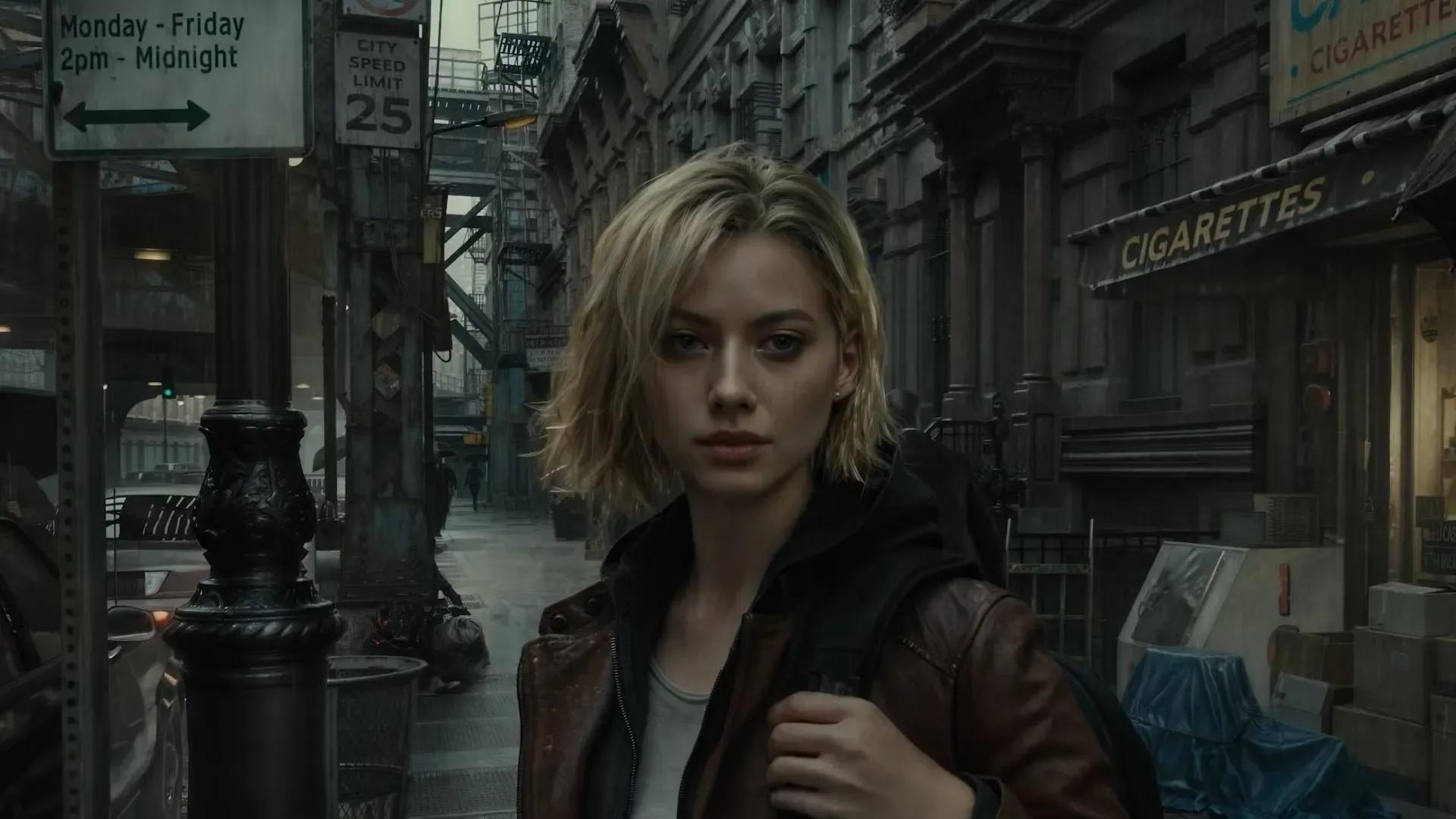
Nvidia avduker DLSS 5, noe som skaper debatt blant spillere










 Nvidia
Nvidia has officially introduced DLSS 5, the latest version of its long-running graphics enhancement technology, but the announcement has quickly become a point of controversy within the gaming community.
Originally launched in 2018, DLSS (Deep Learning Super Sampling) has been a key feature of Nvidia’s RTX graphics cards. With DLSS 5, the company is pushing the technology further by introducing what it describes as a “real-time neural rendering model.”
AI-Driven Enhancements Take Center Stage
According to Nvidia, DLSS 5 uses advanced AI models trained on in-game data such as color and motion vectors to enhance visuals in real time. The system is designed to improve elements like lighting, textures, hair, skin, and fabric, effectively compensating for lower rendering resolution.
Nvidia has positioned DLSS 5 as a major technological leap, even referring to it as “the GPT moment for graphics.”
To demonstrate its capabilities, the company shared comparison footage from games such as Resident Evil Requiem, EA Sports FC, and Starfield, showing noticeable changes in lighting, materials, and character details when the feature is enabled.
Mixed Reception From the Community
Despite the technical ambitions behind DLSS 5, the response from players and industry observers has been largely mixed, with significant criticism emerging online.
Many users have raised concerns about how the AI alters the visual style of games. In some comparisons, character models appear noticeably different, with changes to facial features and textures that some players feel look artificially enhanced rather than naturally improved.
Lighting has also become a major point of discussion. Critics argue that the AI-driven approach can reduce the impact of traditional ray tracing, replacing it with flatter or less dynamic lighting that resembles generative image processing rather than in-engine rendering.
Ongoing Debate Around AI in Graphics
The reaction to DLSS 5 highlights a broader conversation about the role of AI in game development and visual design. While Nvidia continues to lead the GPU market and its technologies are widely adopted, the introduction of more aggressive AI-driven enhancements has raised questions about artistic intent and visual authenticity.
As these features begin to roll out more widely, further discussion is expected around how AI should be used in real-time graphics—and whether such advancements enhance or detract from the overall gaming experience.


 Vellykket kopiert... Takk for at du deler innholdet vårt!:



5% innskuddsbonus opp til 100 perler

0 % gebyrer på innskudd og uttak.





11 % innskuddsbonus + FreeSpin


10 % EKSTRA INNSKUDDSBONUS + 2 GRATISSPINN PÅ HJUL

Gratis case og 100 % velkomstbonus


5 gratis saker, daglig gratis og bonus

3 gratiskasser og en bonus på 5 % på alle kontantinnskudd.

+5 % til innskudd




Kommentarer