




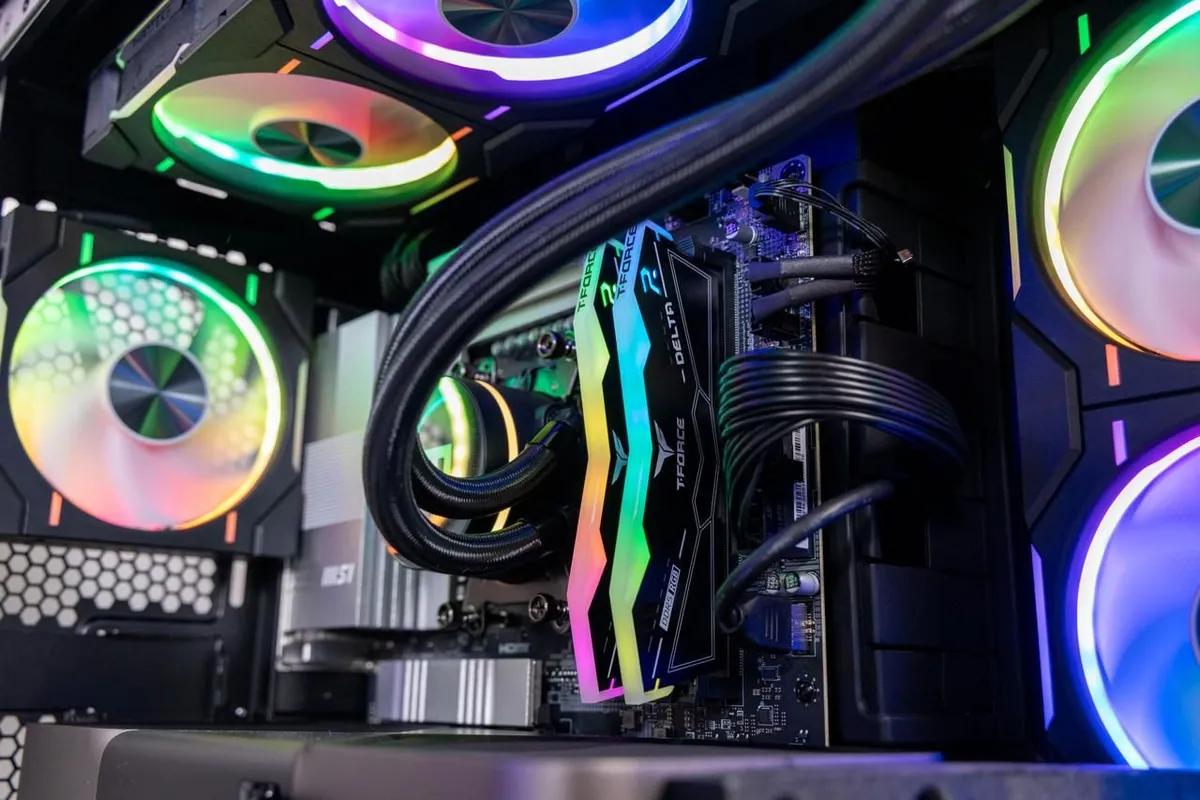
Lenovo: RAM-prisene vil kanskje aldri gå tilbake til tidligere nivåer ettersom bransjen står overfor langsiktige endringer










 Rykter
The global technology market may be entering a new era of permanently higher component costs, according to statements from Lenovo. The company has warned that prices for RAM (random access memory) are unlikely to return to their previous low levels, suggesting a structural change in the memory market that could last for years.
If the prediction proves accurate, it could reshape pricing across the entire consumer electronics ecosystem - including smartphones, laptops, gaming consoles, and PC hardware. Memory is one of the most essential components in modern computing devices, and sustained price increases would have a direct impact on both manufacturers and end users.
A potential long-term shift in the memory market
Historically, RAM prices have followed a cyclical pattern. Periods of high demand and supply shortages typically lead to price spikes, followed by overproduction and eventual price drops. However, Lenovo’s latest comments suggest that this cycle may be breaking down due to structural changes in gl obal demand.
One of the key factors driving this shift is the rapid expansion of artificial intelligence infrastructure. Large-scale AI systems require massive amounts of high-performance memory, particularly for training and running machine learning models. As AI adoption accelerates across industries, demand for DRAM and related memory technologies continues to grow at an unprecedented rate.
This surge in demand is competing directly with consumer electronics manufacturers, putting sustained pressure on global supply chains. Unlike previous cycles, where demand was driven primarily by PCs and smartphones, the current wave includes hyperscale data centers, cloud providers, and AI-focused companies, all of which require significantly larger memory allocations.
Why prices may stay high until 2030
Lenovo’s outlook suggests that the memory market could remain tight until at least 2030, with no return to the historically low pricing levels seen in earlier years. Several structural factors contribute to this projection:
First, manufacturing capacity expansion in the semiconductor industry is both expensive and slow. Building new fabrication plants takes years and requires billions of dollars in investment. Even when new capacity comes online, it may already be absorbed by rising AI-driven demand.
Second, advanced memory technologies such as DDR5 and high-bandwidth memory (HBM) are becoming increasingly important. These newer standards are more complex and costly to produce, which naturally raises baseline pricing across the industry.
Third, geopolitical and supply chain risks continue to affect semiconductor production. Concentration of manufacturing in specific regions creates vulnerability to disruptions, which can further limit supply stability and contribute to sustained higher prices.
Impact on consumer electronics
If RAM prices remain elevated long-term, the effects will likely be felt across multiple product categories.
For smartphones, higher memory costs could slow down the trend of increasing base RAM in mid-range devices. Manufacturers may also adjust pricing strategies to maintain profit margins, potentially making budget devices less affordable.
In the laptop and PC market, higher RAM prices could reduceupgrade flexibility and increase the cost of higher-performance configurations. Gaming systems, which rely heavily on fast and abundant memory, may also become more expensive, particularly in mid- to high-end segments.
Gaming consoles could also be affected in future generations, as memory plays a crucial role in performance, loading times, and graphical fidelity.

A new pricing reality for the industry
The key takeaway from Lenovo’s warning is not just about short-term price fluctuations, but a possible long-term structural change in the semiconductor industry. Instead of returning to previous lows, memory pricing may stabilize at a higher baseline due to sustained demand and production constraints.
While some analysts believe that market cycles will eventually balance out, others agree that AI-driven demand could fundamentally alter how memory markets behave in the future.
If this trend continues, the period from now until 2030 could define a new standard for hardware pricing - one where high-performance memory is consistently more expensive than in previous decades, reshaping both consumer expectations and industry strategies.


 Vellykket kopiert... Takk for at du deler innholdet vårt!:



5% innskuddsbonus opp til 100 perler

0 % gebyrer på innskudd og uttak.





11 % innskuddsbonus + FreeSpin


10 % EKSTRA INNSKUDDSBONUS + 2 GRATISSPINN PÅ HJUL

Gratis case og 100 % velkomstbonus


5 gratis saker, daglig gratis og bonus

3 gratiskasser og en bonus på 5 % på alle kontantinnskudd.

+5 % til innskudd




Kommentarer