




Solasta 2 nybegynnerguide










 Spill
Spill miscellanea
 Steam
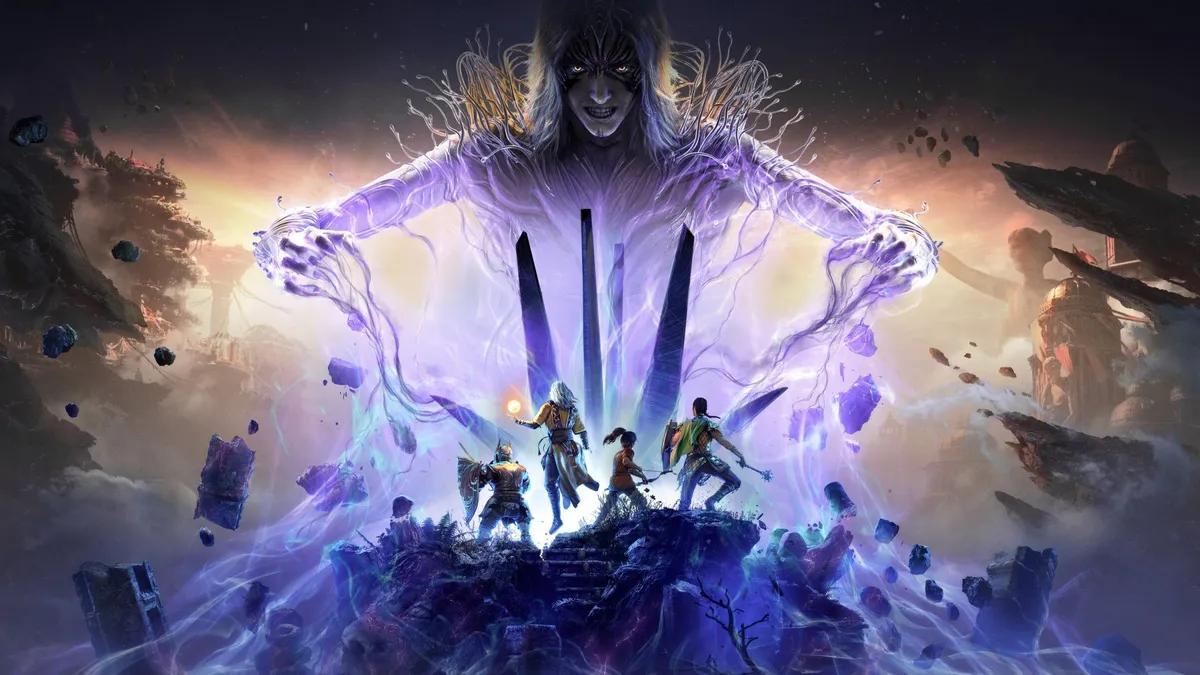
SteamSolasta II, the sequel to 2021’s tactical role-playing title, Solasta: Crown of the Magister, was officially announced by Tactical Adventure at the latest The Game Awards show. Last month, the game received a gameplay demo during the Steam Next Fest, and now the game is officially available on Steam via early access.
Tactical role-playing video games usually require some extraordinary skills from the players - not just from the new players but also from the lovers of the genre. Here in this article, you can check out the beginners guide in Solasta II.
Solasta 2 Best Class to Start
In Solasta II, you’re able to create your own 4 characters based on: Race (Human, Elf, Dwarf and Halfling), Class and Background. The early access version of the game includes 6 different classes: Fighter, Paladin, Wizard, Sorcerer, Cleric and Rogue.
The most important choice to create a character belongs to your Background, as it defines what skills will get additional bonuses for your character. Human Race might be a great option for those who aren't familiar with tactical role-playing games, as it gives you another Origin Treat.
All Solasta 2 Classes
As revealed above, there are six different classes in Solasta II. Fighter’s primary stat is Strength, and he’s considered as the great pick for beginners - just like Cleric, who has Wisdom as primary stat. More experienced players need to give a look at Paladin, Rogue and Wizard. Paladin has advantage of Strength and Charisma combined, Rogue is known for Dexterity, and Wizard - for Intelligence. Finally, if you consider yourself as a hardcore fan of tactical role-playing titles, Sorcener is your class. More detailed information about all the classes with abilities and weapons you can check out below:
Class | Short Description | Ability | Saving Throw Proficienices | Armor and Weapon Proficiencies | Subclasses |
Fighter | Characters that are trained in the arts of combat, and adept with most weapons but often chose to specialize | Strength or Dexterity | Strength & Constitution | Light Armor, Medium Armor, Heavy Armor, Shield, Simple Weapons, Martial Weapons | Commander (tactical support), Aether Warden |
Paladin | Elite warriors who have sworn unbreakable holy oaths to fight evil. Wields Divine Powers and Clerical Spells. | Strength & Charisma | Wisdom & Charisma | Light Armor, Medium Armor, Heavy Armor, Shield, Simple Weapons, Martial Weapons | Oath of Judgement (damage), Oath of Liberation (utility/blinding) |
Wizard | Owns has the ability to execute powerful and wondrous spells but weak against physical combat | Intelligence | Wisdom & Intelligence | Dagger, Dart, Quarterstaff | Court Mage (defensive support), School of Ruin (damage) |
Sorcerer | Has magical powers derived from their ancestry, rather than from the laborious academic studies that wizards must undertake. | Charisma | Constitution & Charisma | Dagger, Dart, Quarterstaff, Light Crossbow | Mana Painter (buffing/support), Star Child (magic damage) |
Cleric | Servants of their chosen deity that are granted miraculous powers. | Wisdom | Wisdom & Charisma | Light Armor, Medium Armor, Shield, Simple Weapons | Life Domain (healing), Oblivion Domain (area-of-effect/support), Battle Domain (melee) |
Rogue | Versatile warriors who are known for their cunning and their ability to launch deadly sneak attacks | Dexterity | Dexterity & Intelligence | Light Armor, Simple Weapons, Longsword, Rapier, Shortsword | Shadowcaster (magical stealth/spells), Scavenger (versatile utility) |
As you can see, each class is basically unique, has its own ups and downs, and might directly influence the fight. It’s important to choose all different characters, where each can be useful and use some tricks that other classes are not able to compensate for. Such a huge variety of details and skills make the gameplay of Solasta II even more exciting.
Solasta 2 First Party Selection
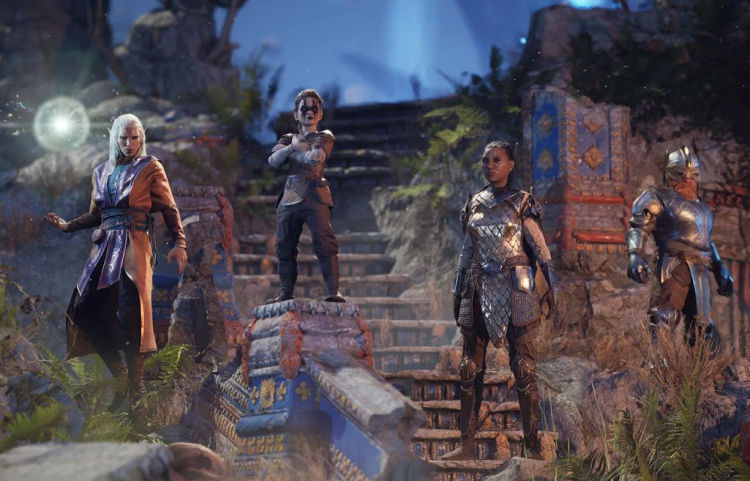
There are a few options before the start of your first party in Solasta II. The most important thing is that your team of 4 characters should be balanced. A team of Fighter, Rogue, Cleric and Wizard could be a great lineup for your first party. Having a Cleric in your team is essential, as the hero can restore HP and use the most powerful damage spell, as well as improve both attack and defense at the same time. While Wizard will be able to use the spells for area-of-effect and crown control, Fighter, as your tank on the front line, will be a primary melee player, and Rogue will deal with traps and damage the enemies from a range.
Solasta 2 Combat System
Solasta II has a turn-based tactical combat system at its core. Every fight is starting with an initiative roll, and the combat proceeds in rounds till one side is winning. The most important system in Solasta II is the Action Economy. It has 4 different moves: 1 Action (where the players can attack, cast spells, dash, or dodge), 1 Bonus Action (off-hand attack, quick abilities), Movement, which is limited by speed, and Reaction, which automatically triggers.
The game also includes a new feature called Weapon Masteries, in which each weapon has a special effect. For instance, you can hit multiple enemies with a cleave, knock enemies back with a push, and more. Despite being in early access only, Solasta II has made some serious steps ahead in terms of combat system in comparison to the original game, which has definitely made the sequel a better game so far.
Solasta 2 vs Baldur's Gate 3: Comparison
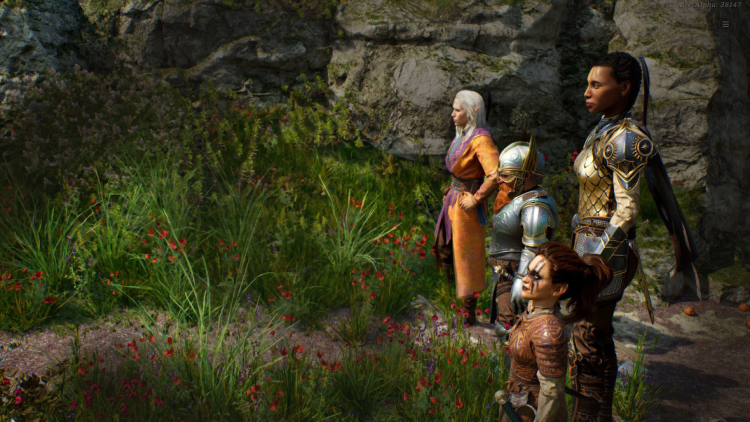
When we speak about tactical role-playing titles, one of the most obvious choices is Baldur’s Gate III, developed by Larian Studios and released back in 2013. Of course, it’s too early to compare it with Solasta II, as the game only made an early access this month, but there are a few strongly marked things.
Firstly, let’s not forget that Baldur’s Gate III is not only a tactical role-playing title but also a cinematic RPG experience with over $100 million of budget. The story of Baldur’s Gate III includes a bunch of quests, the possibility to make romances, and major choices that have a direct impact on the plot, while Solasta II is more related to “tabletop-style” storytelling. There are also specific differences in combat systems: while Solasta II feels like turn-based strategy with grid-based tactical combat, Baldur’s Gate III has no grid and allows the player to move freely in a sandbox. The game is way more advanced as an RPG title, and you need to pick it if you like standalone adventures with RPG experience, while Solasta II should be considered a great Dungeons & Dragons simulator, where you can try your strategy and tactical skills.
Solasta 2 - Worth it Play?
According to Steam, Solasta II is currently having mostly positive reviews. The players praise an interesting story, including great voice acting, the character creator, and tactical aspects. Moreover, the game is currently having a 10% discount, as the title was finally released in early access. So, if you like tactical battles using your own created characters with different skills, you should definitely try Solasta II, the latest installment from Tactical Adventure studio.
What do you think of Solasta II so far? Share your thoughts in the comments below!


 Vellykket kopiert... Takk for at du deler innholdet vårt!:



5% innskuddsbonus opp til 100 perler

0 % gebyrer på innskudd og uttak.





11 % innskuddsbonus + FreeSpin


10 % EKSTRA INNSKUDDSBONUS + 2 GRATISSPINN PÅ HJUL

Gratis case og 100 % velkomstbonus


5 gratis saker, daglig gratis og bonus

3 gratiskasser og en bonus på 5 % på alle kontantinnskudd.

+5 % til innskudd




Kommentarer